

Ep. 10 Part 1
Earned Wage Access and Digital Tips at Scale for Sun Holdings’ 30,000+ Employees
TAL CLARK | MARCH 4, 2026
Listen to Audio

Watch on Video

Episode Transcript

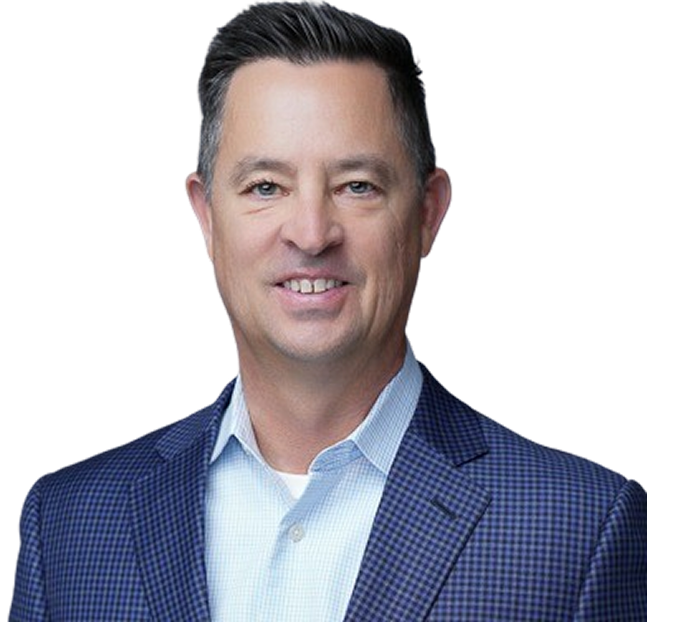
Tal Clark: Welcome to the Instant Payments Podcast. I’m your host, Tal Clark. I serve as the CEO of Instant Financial, a fintech company that modernizes payments and payroll for hourly workers and their employers. I’ve worked in the payments industry for 30 years, and I’m glad you’re tuning in today. If you like what you hear, please subscribe, leave a review or suggest a future guests for us to talk to. This podcast features industry leaders to discuss some of their challenges and the technologies they’ve used to improve their workplace. Today’s guest truly understands the opportunities and challenges of a complex HR and benefits program. I’m joined by Laura McLand, the Vice President of Human Resources at Sun Holdings, one of the largest franchise organizations in the United States, operating more than 1,250 restaurants and retail locations across 32 states. Laura leads HR, payroll benefits, recruiting, training, and compliance for a workforce of more than [00:01:00] 30,000 employees and has reimagined HR as a strategic growth engine rooted in immediacy, inclusion and trust. Laura, thank you so much for joining us today. Where are you calling in from?
Laura McLand: I am calling in from Dallas, Texas.
Tal Clark: Yeah. Super. And as I read through that list of things that you do there, I’m just wondering, does anybody else do anything over there? That’s crazy. We got it all going on.
Laura McLand: It takes a village. So I have over 25 people on my team, so thank goodness I have them. They’re, they’re fantastic.
Tal Clark: Yeah, that’s great. And a lot of responsibility. And I, and we know you guys have a great organization. I started, excuse me, I started a little bit with your background there just briefly. But why don’t you start and talk about, tell us about your career and what’s brought you to Sun Holdings and then we’ll go from there.
Laura McLand: Sounds good. Thank you very much, Tal. I greatly appreciate you having me on your show. So definitely, been in the workforce over 30 years, but 20 years ago, I got to foray into payroll where my [00:02:00] supervisor of the president and CEO of the company came to me and he said, Hey, I’d like for you to take over the payroll. And I’d never done payroll before. And so I immediately crammed at night to try to learn what all I could do about payroll and compensation. And luckily Cornell University had a course on compensation and benefits, and that was my foray into HR. Absolutely fell in love with it. And then I’ve been in HR ever since. So definitely progressing with other companies in the hospitality space, of course in the retail space. Progressing through my career also in the healthcare industry as well. But each one of those industries, as I’ve worked, I have found that I gravitate toward customer service, whether our customers are our employees for HR, but also as we support them, they’re able to support their, our guests. And they’re our customers as well. So that’s our foray, my foray and background into HR.
Tal Clark: Yeah, that’s great. And I’ve been working with and [00:03:00] supporting and selling to payroll and HR leaders for about, longer than I would like to admit, probably 20, 25 years or so. So… including Sun Holdings in a previous life. And now again. So you guys do amazing work. I mean our organization can’t function without strong payroll leaders and HR leaders, and you certainly have a task on your hands there that you do a great job with. So talk a little bit about the difference maybe in Sun Holdings and what your experience has been there. Because you’ve been at Sun Holdings now for two or three years, what is it?
Laura McLand: Little over two years.
Tal Clark: Yes. So talk about your experience there and how it’s different maybe from what you’ve done before.
Laura McLand: Oh, fantastic. It has been, I’ve loved every minute of being with Sun Holdings, and so when I came on a little over two years ago, it was very fragmented, the HR department. And so it was really important to make a cohesive department and make sure that everything flows smoothly with systems and [00:04:00] processes and things like that. So the first thing I did at Sun Holdings is what can we do to synchronize the departments? So, with HR, with payroll, with benefits. And so since they were all fragmented, the first thing I did was have them sit together. That’s one of the things that is important is to have that dialogue across the hall. And that has really made a big difference on the experience for our employees, is that our team is able to communicate internally very quickly so that we can give an immediate response to our employees. And that’s what my experience has been has just been really focused on bringing Sun Holdings to the next level and not be fragmented, but having some consistency for here in the department that helps
Tal Clark: Yeah.
Laura McLand: throughout the company.
Tal Clark: That’s super. And I can tell you just, I mean, because we’ve been working with you guys since a little bit before you got there and I definitely can, have observed the changes and I think they’ve all been very [00:05:00] positive. So that’s great to see. One of the things we talked about the business as we started, the size of the business, I don’t think we touched on how many different brands are you guys operating today within Sun Holdings.
Laura McLand: Yeah. 13 different brands.
Tal Clark: And you, am I correct in you manage payroll, you essentially have a team assigned to each brand for the most part?
Laura McLand: Pretty much. Yes, that’s exactly right.
Tal Clark: And how does that work out? I mean, does that, does it seem that you’re able to provide better service? Because there are some things specific to each brand? By having teams associated with each brand?
Laura McLand: Correct. That’s exactly right. So some of the processors do more than one brand because it is, they’re similar brands. So one processor may do a couple of different full service, but they’re all consistent because they’re full service brands. And the same thing with what we call quick service brands. There’s one person who maybe do two or three of those because it’s the same processes. So we do have economies of scale where we can, to save money.
Tal Clark: Okay. Okay.
Laura McLand: But you’re [00:06:00] right, we do focus on the brands and then of course in some of the other departments with benefits and with HR in general. We do break it down by just QSR and then also for service and retail. So because of our retail brands as well.
Tal Clark: Okay. That’s interesting and I know also that new to Sun Holdings I believe is new, is a hotel business now? Right? Talk a little bit about that and if that changed anything for you.
Laura McLand: So far it hasn’t, but you know, you never know on the horizon what that’s gonna entail. But currently right now we’re focused on the restaurant brands and the retail, but that’ll be, I’m sure coming along.
Tal Clark: Wow. Wow. What makes Sun Holdings special? I mean, we’ve talked a little bit about some of the things you’ve seen, some of the things you’ve done. What have you found different about Sun Holdings, you think different, maybe relative to the space? And just from your perspective, what makes the company special?
Laura McLand: It is so unique because we have such a diverse, different [00:07:00] companies with retail, with QSR, with full service and even fast casual. So what’s really great about Sun Holdings is that diversity. And so we’re able to have that experience even though they may all be restaurants or be one type of retail, they’re all focused on the same thing, like I mentioned earlier with customer service. But also because of our size, we’re able to do a lot more, that we weren’t able to do if we just have one entity. We’re able to get some different services and things like maybe other people couldn’t. But that also brings some difficulties as well, as how do we also reciprocate those with all the brands when they are sometimes unique from each other. And so some of that is a learning experience too. Luckily, with some of the programs that we offer our employees, we’re able to do all employees, but then sometimes it has to be focused on branding. That’s what we have to focus on too, as we have to be able to pivot whenever we need to and focus where we need to.
Tal Clark: Okay, that’s good. [00:08:00] And that gets into a little bit of the complexity that you work with on a daily basis. You’ve talked a little bit about how you manage that, but again, you guys employ more than 30,000 people across the country from a financial payroll perspective. What kind of complexities come with supporting a workforce of that size across hundreds of locations? I guess as you look at that, if you were, when you talk to someone about who might be coming into Sun Holdings to help you, right, with payroll and HR, how do you explain the complexities to them, coming in, that may be different in a smaller organization that may have 10 quick service restaurants and a few hundred employees?
Laura McLand: That’s a great question actually, Tal. We do try to go into what some of those systems and processes look like on their individual scale. So we actually had an interview this morning. And so explaining Sun Holdings, we do it from their perspective and what their part, an important [00:09:00] part of the company would be. So we, what we do in our employees is that we focus on, you’re not just a person, you actually make a difference. And I want you to keep that in mind. Whenever you’re coming into the company, you are an important part of the company. You’re not just one of 30,000 people. You’re actually a very important person that contributes to the success of the company and that we really care about every single person. And so even though we’re talking to maybe somebody at one of the restaurants, the team really focuses on that dialogue with that employee. We want them to feel like they are the only one that we’re working with at that time. And we don’t share that we have 30,000 employees when we’re talking to an individual employee because they don’t care. And that’s how we really do that in Sun Holdings is we really focus on individual people. Because each one is unique.
Tal Clark: That’s great to hear. And that, I can imagine that adds a lot of value to your workforce and makes them feel an important part of the [00:10:00] organization. So, real quick, just around some of the things that, that we’re working together on. You guys have been with us since 2021, both digital tips and earned wage access as well. And leadership, you guys have really shown leadership when it comes to modern pay, right? All about making sure access is available to these employees, which I think, and I believe you believe, that’s an important way to make people feel well within your business, right? There’s some financial wellness associated with that. So, we know we’re touching about 14,000 users today. All time paid dispersed: $106 million. All time tips dispersed: $81 million. Total number of tips paid out: about a million. An average tip is about $80. What do these numbers mean to you when you think about using payroll as a strategic benefit for your employees in a strategic wellness benefit, I think even better, right?[00:11:00]
Laura McLand: In our, in our industry and just people as a whole, they, they want instant gratification, right? They wanna be able to see their, I’ve worked and I wanna see that, that money directly in my pocket immediately. And luckily working with Instant, we’re able to provide that to our employees so that whenever they leave their shift, they can see if their digital tips before they get to their car. That is extremely important. A lot of companies aren’t able to do that, and so maybe they’ll put it on their next payroll, things like that. And so having a partner that allows us to give that customer service to our employees so that they can see the money earned right now is already in my pocket. It really makes a huge difference to our employees. And we also of course incorporate it on the payroll side as well. So if there’s a situation where we need to take care of an employee, and we’re able to do that because we have the tools at our disposal be able to [00:12:00] fund whatever we need to do immediately. And I think that’s what’s really helpful, having some pay cards and things like that, other services that you were mentioning. And that allows us to be able to do that: support them and then them to support their families as well.
Tal Clark: Yeah, I, that’s what we do each day is we try to communicate that and you just did it very well. We try to communicate that to others. Because we really believe, and I believe personally that, everyone’s financial wellness is important. It has become a little bit of a buzzword, which I’m not crazy about because it’s actually a meaningful thing, right, to these employees? And, I really believe financial wellness starts with access. Right?
Laura McLand: Yes.
Tal Clark: I don’t know, you just said it very well, but when you talk to others in the industry, if you’re at an industry event and you may see what someone doing it differently, that’s hard to understand. What are your [00:13:00] thoughts on how we can better communicate and make sure that us and you and others in the industry are able to communicate the financial wellness benefit of just making sure they have access?
Laura McLand: And I’m glad you mentioned that Tal, so what’s really important is to be where the employees are. So what I’m saying is everybody’s on their phone, everybody’s in the apps, and so what’s really important is to have that information available for them in their app, on their phone, in their hands, and also have it readily available instantly. So if they’re accessing the, like for instance, the Instant app, it’s important to have the financial tools in there as well. Not just, Hey, this is where I get my paycheck, but hey, this is where I can do budgeting. This is where, how I can file my W-2, a link to file your taxes. Things like that, having those resources available directly and immediately, is extremely important. It [00:14:00] also has to be available 24/7, right? Because everybody’s on their phone. It could be night, day, lunch break, whatever it is. And so as long as those tools are available, they’ll utilize them, when it’s available and important to them.
Tal Clark: A hundred percent. And that’s what I love about you guys. I mean, you’re, making decisions with the employee in mind. I think, oftentimes restaurants make decisions in regards to maybe the bottom line or convenience. And ultimately I think that if you’re providing financial wellness for your employees and do the things you just mentioned where it’s accessible to them, then that does impact your bottom line. And, and I, think that’s what we as Instant need to, will continue to work on trying to communicate that better and maybe get the word out more and more as we go forward. So, good. What other things are you doing, Laura? Maybe adjacent to what we do or different from what we’re doing that, maybe you’ve implemented recently that, that you see as sort [00:15:00] of financial wellness tools or anything else that, that you’ve got going on that helps your employees from a financial wellness perspective?
Laura McLand: Yes, actually several things and so we’ll probably talk about it. The AI is of course really big right now, and I think at the, we’re at the very beginning of it, but what we’re doing is what tools additional to Instant is what we can get, put into the hands of the employees. The latest thing that we’ve rolled out is a new payroll system and some of that has some unique abilities that people haven’t seen before. And part of that is getting that information to the employees of not only is this how this is where you see your paycheck, but also some of the tools that are gonna be coming out that we’re gonna be rolling out in 2026, that’s gonna help our employees maybe manage their, their finances better, their benefits. We added a 401k link to it that we didn’t have previously that was separated, and so that’s again, what I was saying before is putting that information in their [00:16:00] hands immediately and so they’re able to contribute to 401k other things.
Tal Clark: Super, super. That’s great to hear. And look, I tell you what, this has been a really great discussion. Let’s wrap up here for now and save the rest of this conversation for later. For our listeners, you can learn more about Laura’s work at sunholdings.net. Please tune back in for part two of our podcast where we’ll discuss more restaurant industry trends from finance and operations. As always, thanks for joining us on the Instant Payments Podcast.
How Instant Tips Helps Employees
From faster tip distribution to higher employee satisfaction, Instant Tips delivers results across industries. Businesses
save time with automated payouts, reduce cash-handling risks, and give team members the convenience of digital
access to their tips. Explore our resources to see how Instant Tips can make every shift more rewarding.
PodCast
Tal Clark interviews Dr. Martin Armstrong, VP of Payroll of Shared Services.
Case Study
Ultra Steak Inc. is a long-established restaurant company headquartered…

Blog
Digital tipping apps replace cash handoffs with instant, automated payouts….


